
Retired interventional radiologist treated by former colleagues and “Leonardo”
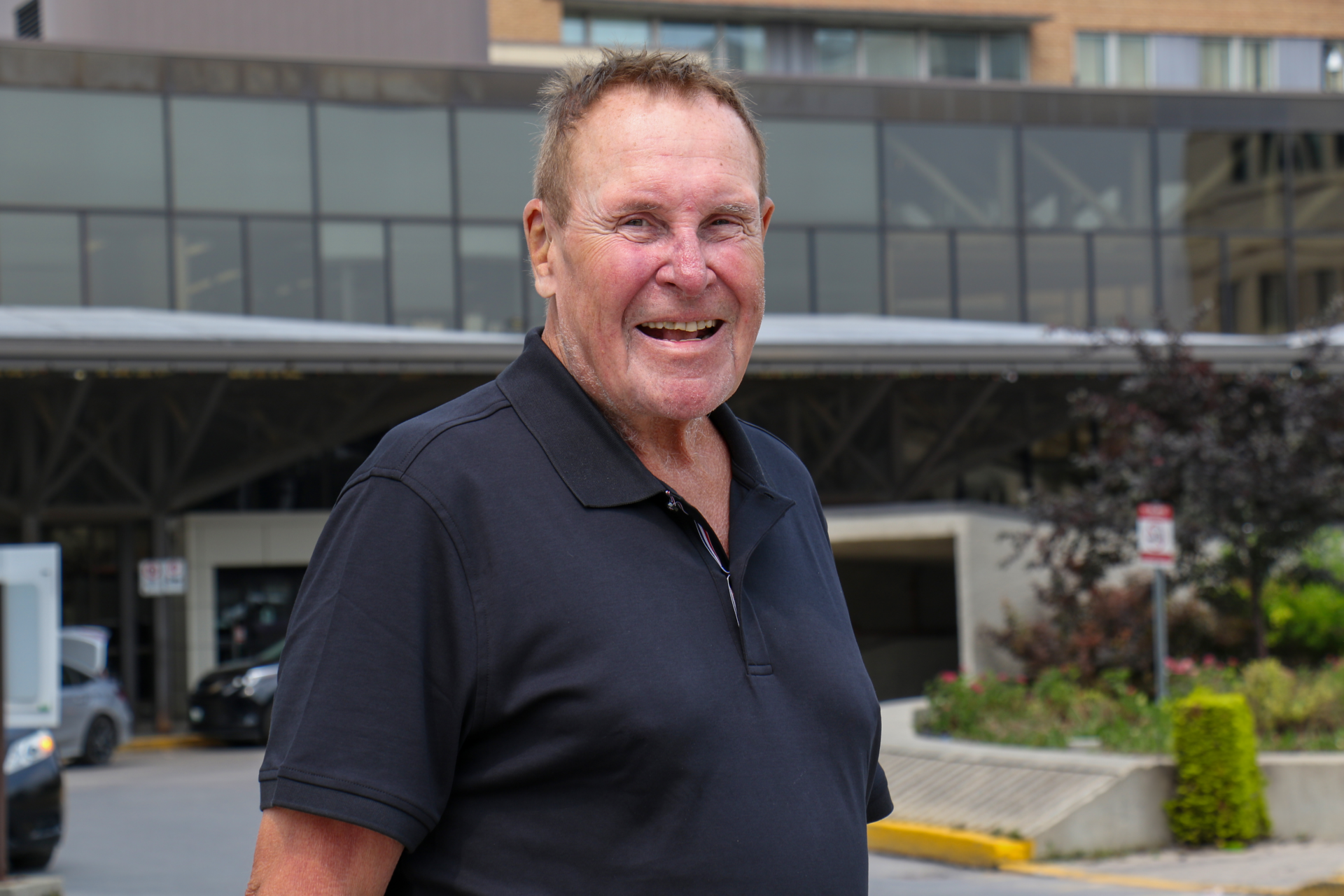
Retired HSC doctor knew he was in good hands as he underwent a robot-assisted prostatectomy.
As a former interventional radiologist at Health Sciences Centre, Dr. Brian Hardy used to work alongside urologists Dr. Jay Nayak and Dr. Jeff Saranchuk. He shared an operating room with them again in March 2025, but this time he was on the table.
Routine blood work had shown elevated levels of PSA (prostate-specific antigen), and additional testing confirmed that the retired doctor had developed prostate cancer. The solution was a prostatectomy, a procedure to remove the prostate gland.
“I’ve known Jeff and Jay for years,” says Dr. Hardy, who retired in 2023 after a distinguished 30+-year career. “I knew I was in good hands.”
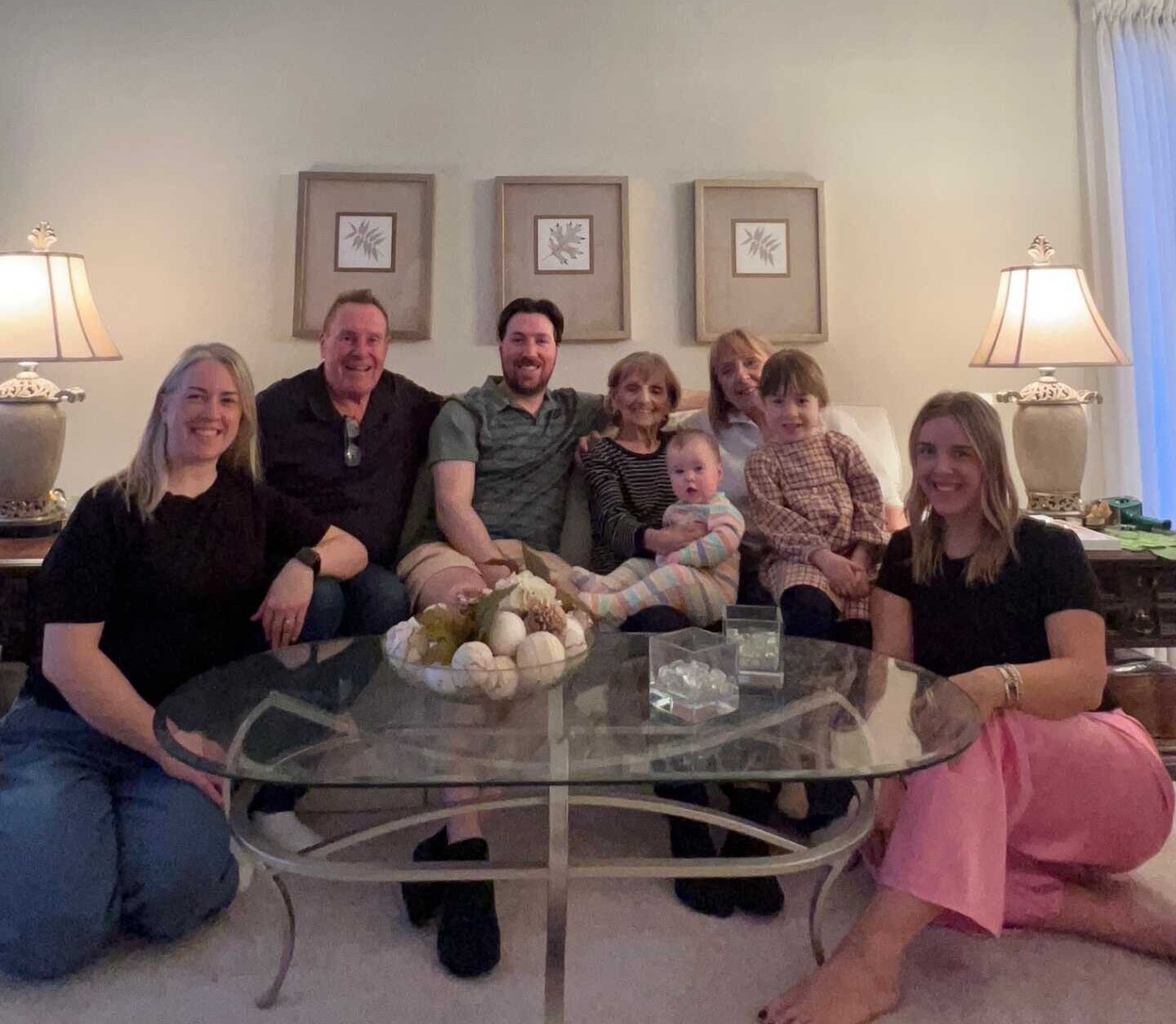
Dr. Brian Hardy was able to return to his normal routine just days after his prostatectomy, hanks to the HSC Foundation donor funded Da Vinci Xi Robotic Surgical System.
Not only was Dr. Hardy in good hands, he was in good arms—robotic arms, to be precise. Dr. Hardy’s surgeons used the Da Vinci Xi Robotic Surgical System, funded by donors to the HSC Foundation’s Operation Excellence Campaign.
The equipment allows surgeons, working from a console, to guide four robotic arms through very small incisions. Robotic surgery allows surgeons to perform with remarkable precision with a lower risk of complications, less blood loss, and less pain for the patient.
The urologic surgeons have playfully dubbed the robot “Leonardo”—da Vinci’s first name; the thoracic surgeons call the machine “Mona” in honour of Leonardo da Vinci’s best-known portrait. Either way, there is a surgical artistry at work that is benefitting patients.
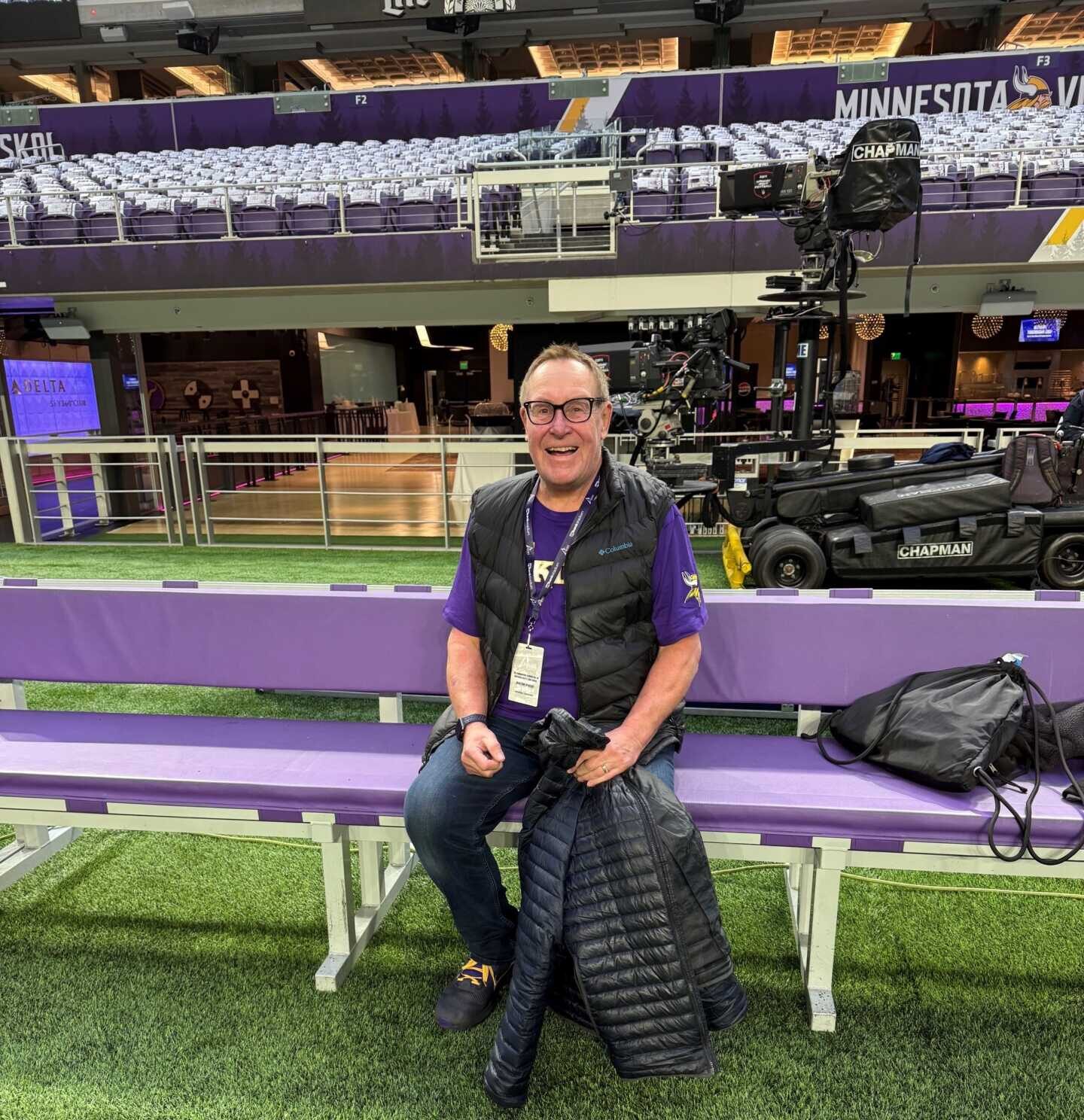
Dr. Brian Hardy, retired HSC doctor and grateful patient: “The Foundation and its donors are doing phenomenal work.”
“If that had been a traditional open surgery, I would have needed 6–8 weeks to recover,” says Dr. Hardy. “Instead, I was out of the hospital the next afternoon and running an errand at Walmart just two days later. I took a Tylenol or two for minor pain, but that was it.”
Dr. Hardy is no stranger to the impact of donor support on health care. As a champion of new diagnostic and surgical technologies, he was instrumental in securing funding for the Paul Albrechtsen Interventional Radiology Suites that were unveiled in 2022 at HSC. Interventional radiology involves diagnosing and treating patients through their arteries and blood vessels, avoiding large incisions and complicated recoveries whenever possible—similar in spirit to robotic surgery.
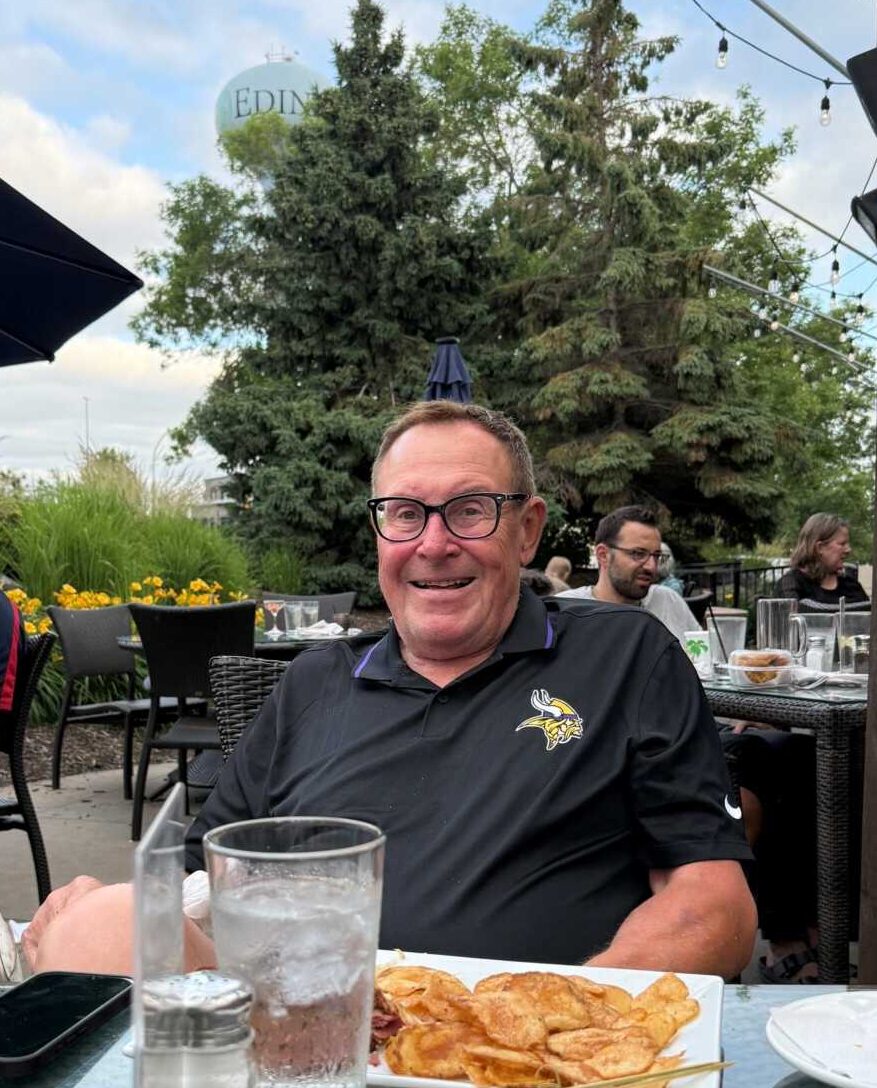
“If that had been a traditional open surgery, I would have needed 6–8 weeks to recover,” says Dr. Brian Hardy. “Instead, I was out of the hospital the next afternoon and running an errand at Walmart just two days later.”
“It’s definitely better for patient care. It lowers morbidity and mortality,” says Dr. Hardy of the technologies acquired through recent donor support. “The Foundation and its donors are doing phenomenal work.”